
Driving Digital Transformation via Agile at the Ministry of Finance
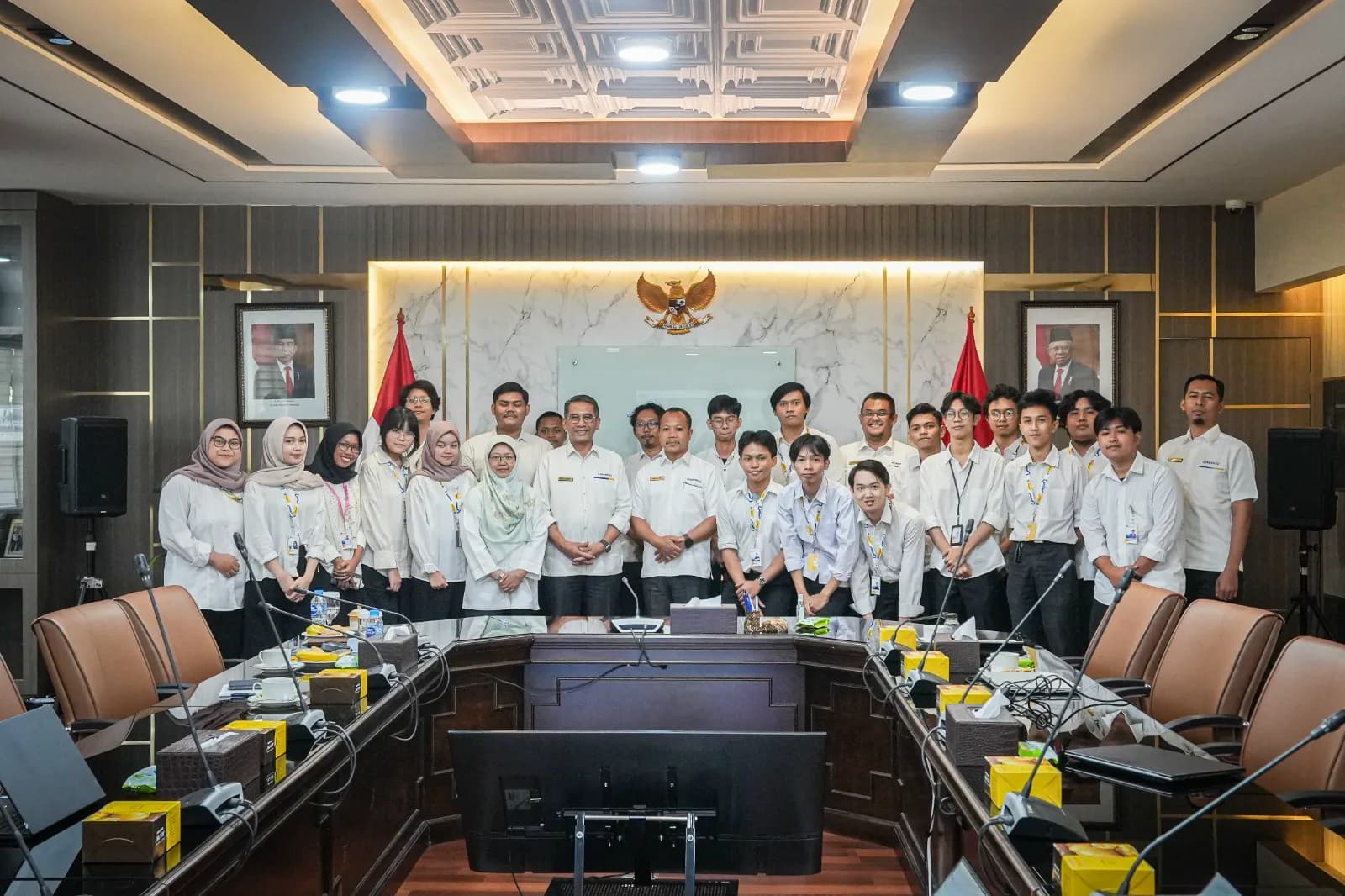
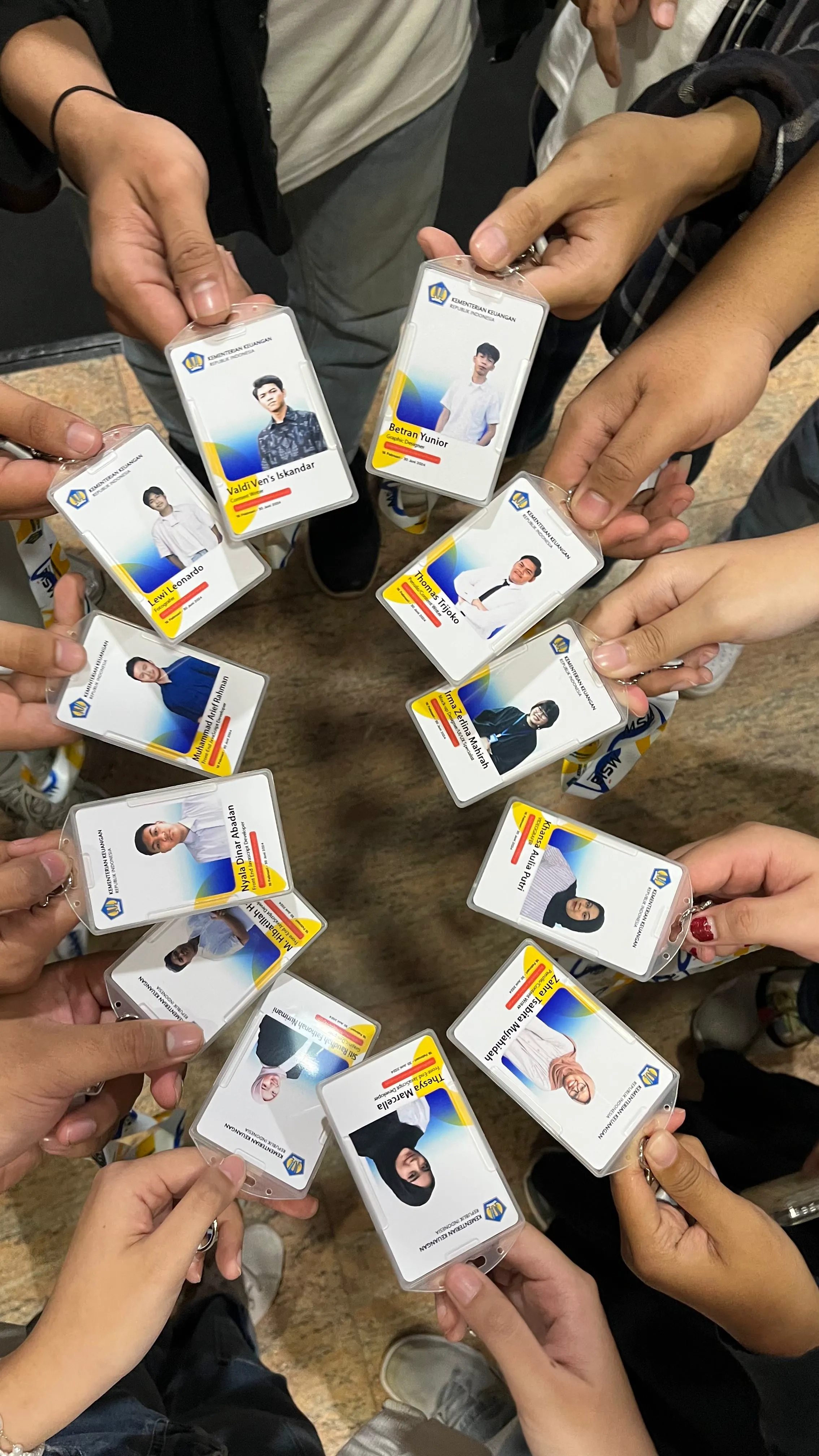
Stepping into enterprise modernization during my internship at BPPK as one of Top-Level Unit of Ministry of Finance at Jakarta Selatan, Indonesia. This journey put me at the center of a massive digital transformation effort by replacing a legacy, nationwide room management system used by the entire Indonesian Ministry of Finance. The scope was intimidating; managing dorms, labs, and halls across numerous units for audiences ranging from general public users to high-level internal staff.
The challenge wasn't just technical, it was organizational. We needed to migrate complex workflows with outdated systems into a modern digital experience within a very tight three-month development window.
The Methodology
Embracing Agile Scrum under pressure to tackle over dozens of required features with a lean team of three developers, we adopted a strict Agile Scrum methodology. This structure was crucial for maintaining velocity and managing scope creep.
-
We worked in strict 2-week sprints. This timeboxing forced us to break down enormous requirements into manageable, shippable tasks.
-
Each sprint ended with a review session where we presented completed work to project managers. This immediate feedback loop allowed us to pivot quickly when a feature didn't align with the business need, saving weeks of wasted effort.
-
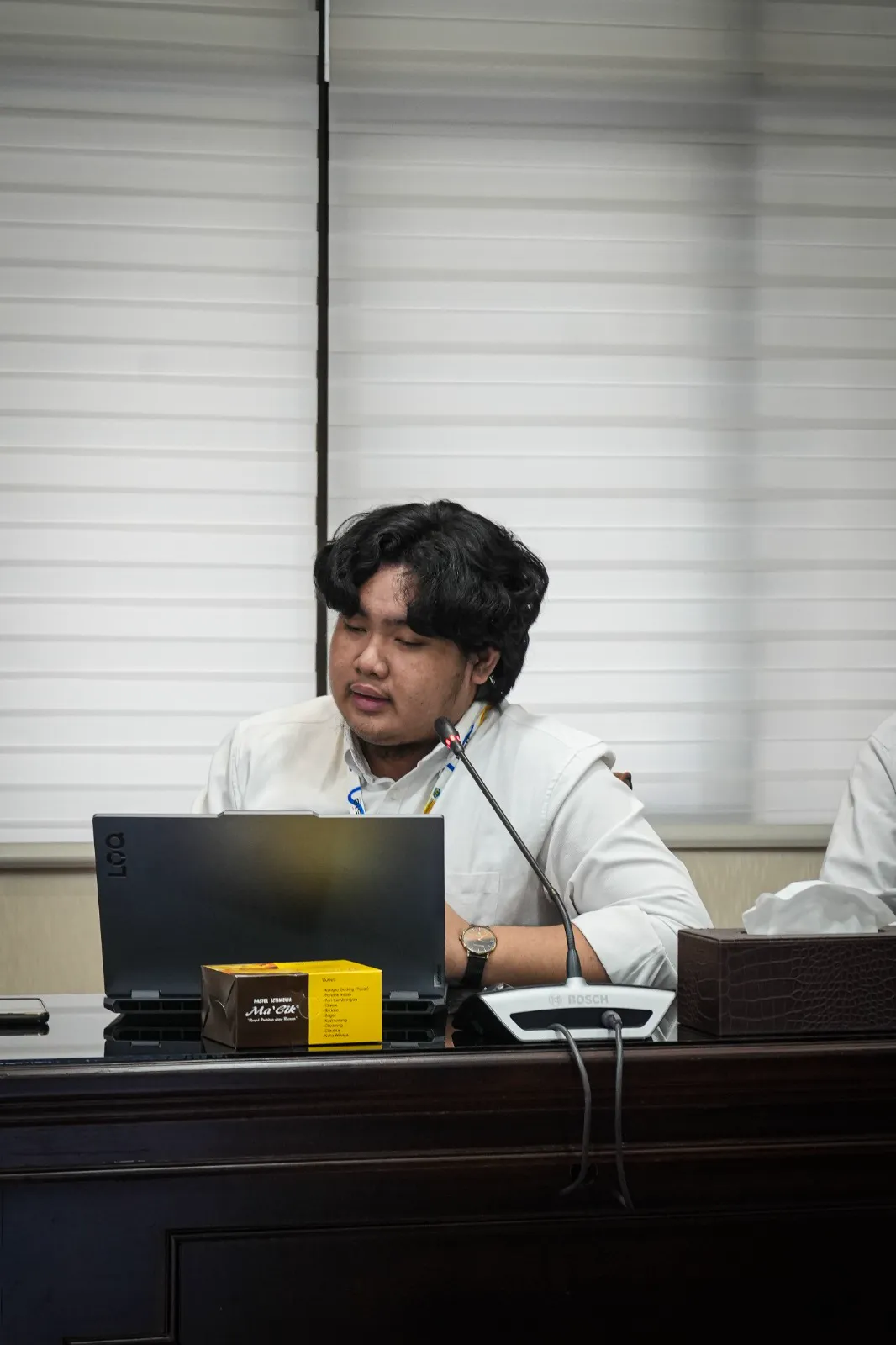
In a small squad, there was no dedicated QA team. I learned to blend development with blackbox testing, ensuring that the complex workflows I built actually held up under real-world scenarios.
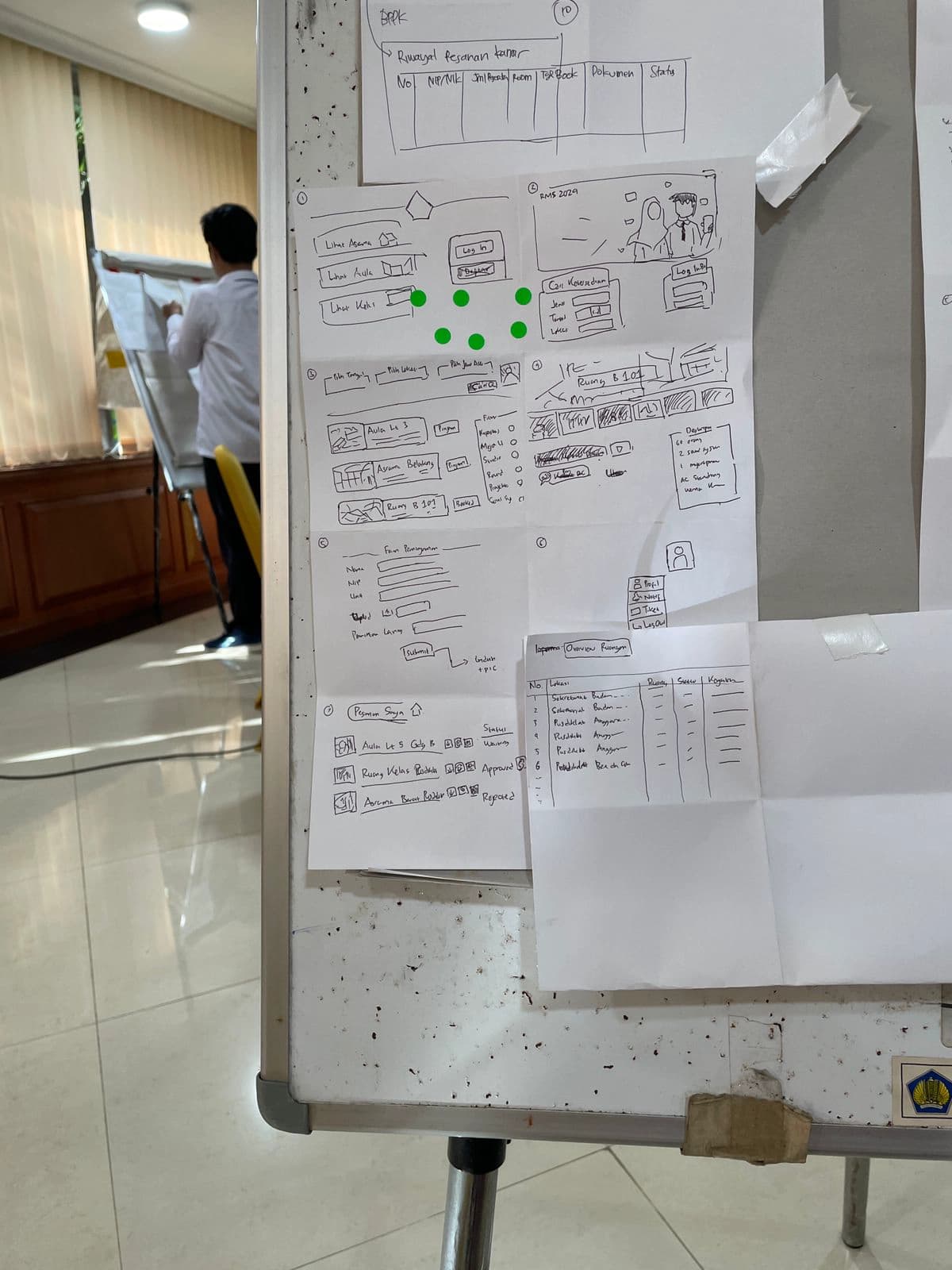
Stakeholder Collaboration & The Design Sprint One of the most valuable experiences was moving beyond code to understand the human element of the system. We didn't just receive a requirements document, we actively shaped it.
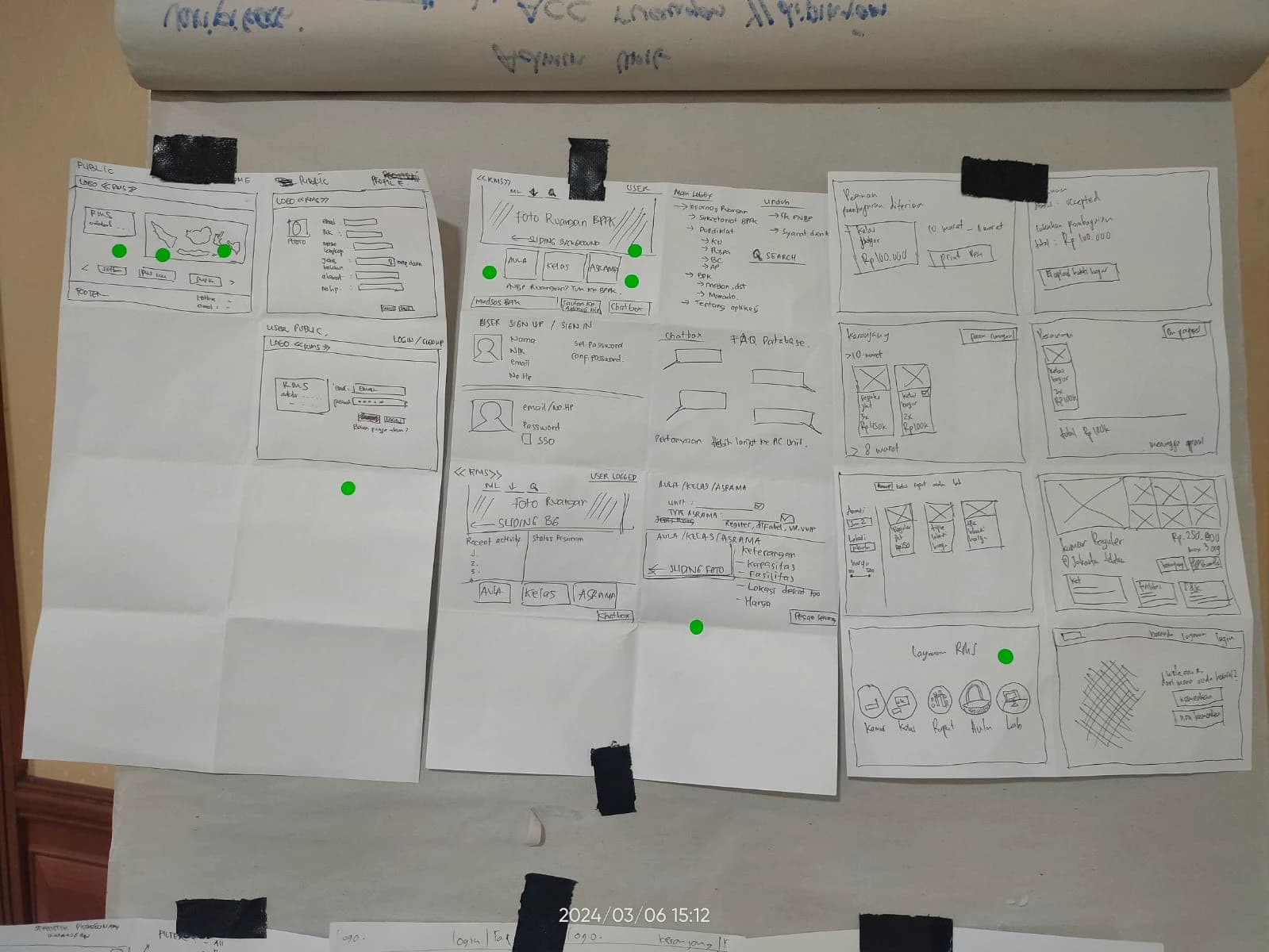
We conducted an intensive Design Sprint involving 20 - 30 Ministry employees from various units as the actual future users of the system. Facilitating these face-to-face sessions was eye-opening. I moved from abstract assumptions to concrete user validation, witnessing first-hand the friction points in their existing daily operations. This direct interaction translated into a BRD, BPMN diagrams and High-Fidelity Mockups that truly reflected user needs rather than assumptions.
Growth & Key Takeaways
This experience was a crash course in enterprise software delivery. It taught me that successful development isn't just about writing clean functions, it's about clear communication, disciplined planning, and empathy for the end-users.
Through this experience, I developed strong confidence in:
-
Seeing a massive project from vague initial interviews to a deployable preview.
-
Understanding how to build systems that cater to five distinct user roles with vastly different permissions and needs.
-
Working tightly to ensure seamless data flow, learning to anticipate integration challenges before they occurred.