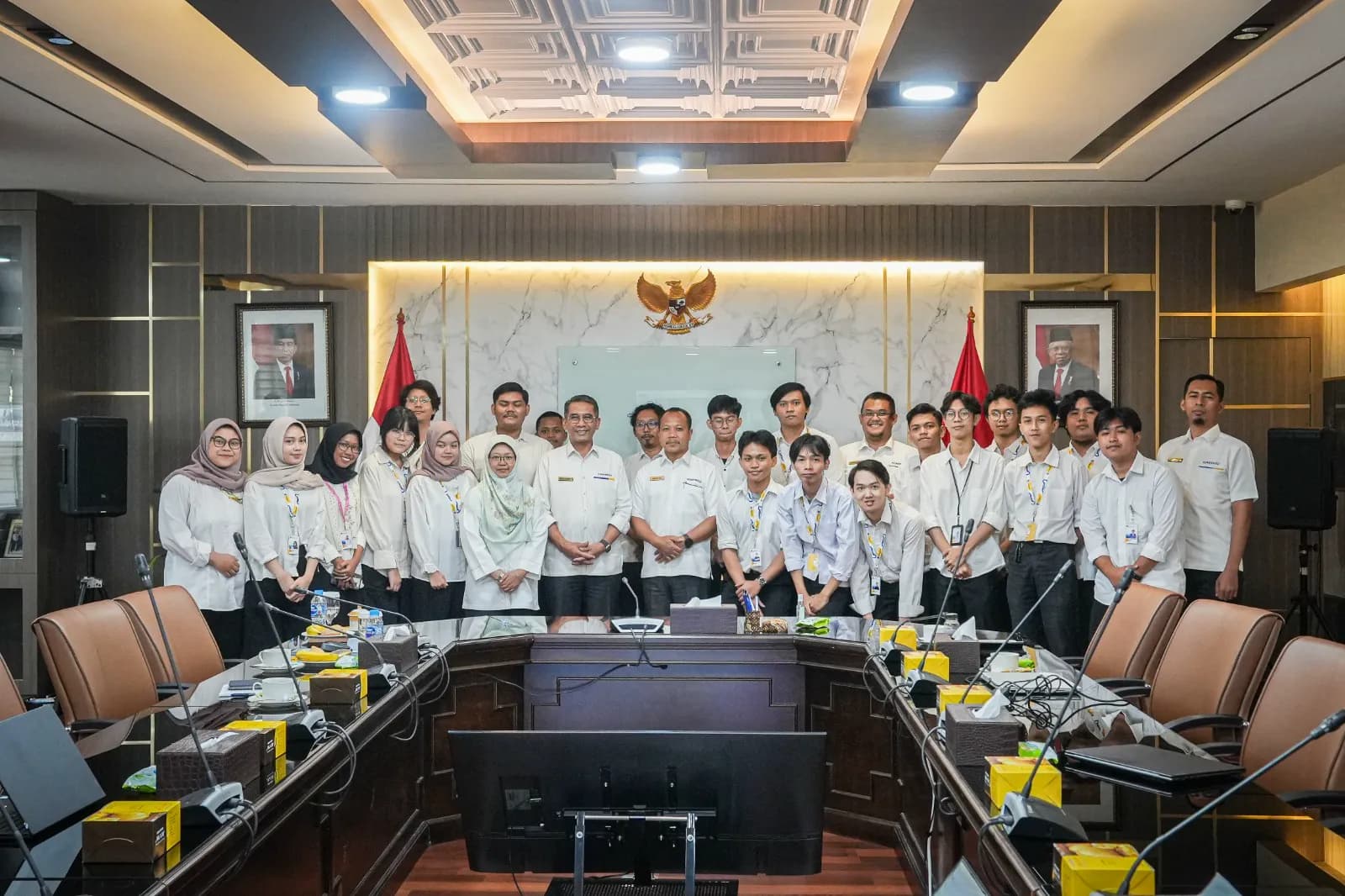
Stepping into enterprise modernization during my internship at Ministry of Finance at South Jakarta, Indonesia. This journey put me at the center of a massive digital transformation effort by replacing a legacy, nationwide room management system used by the entire Indonesian Ministry of Finance. The scope was intimidating, managing dorms, labs, and halls across numerous units for audiences ranging from general public users to high-level internal staff.
The challenge wasn't just technical, it was organizational. We needed to migrate complex workflows with outdated systems into a modern digital experience within a very tight three-month development window.
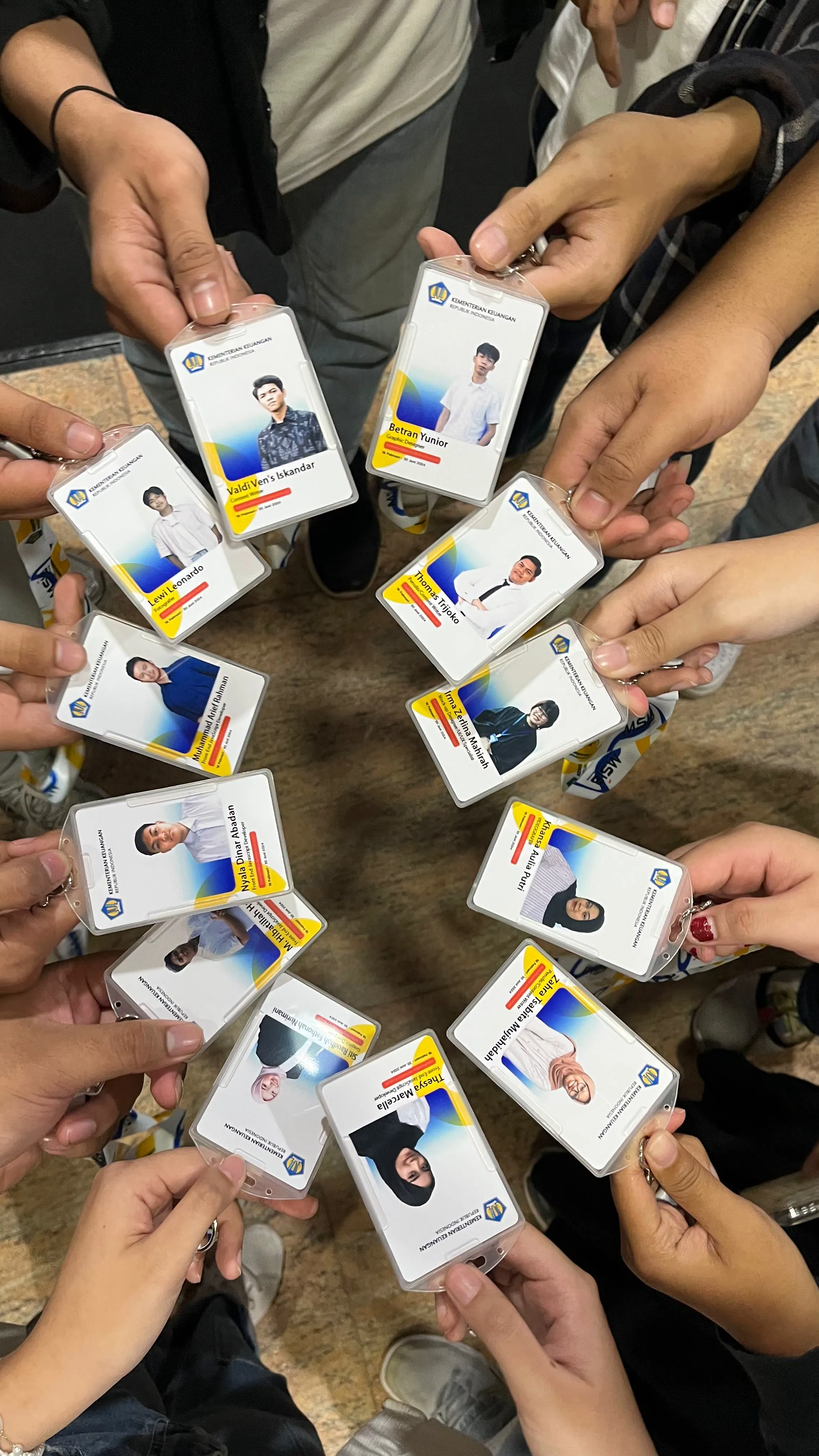
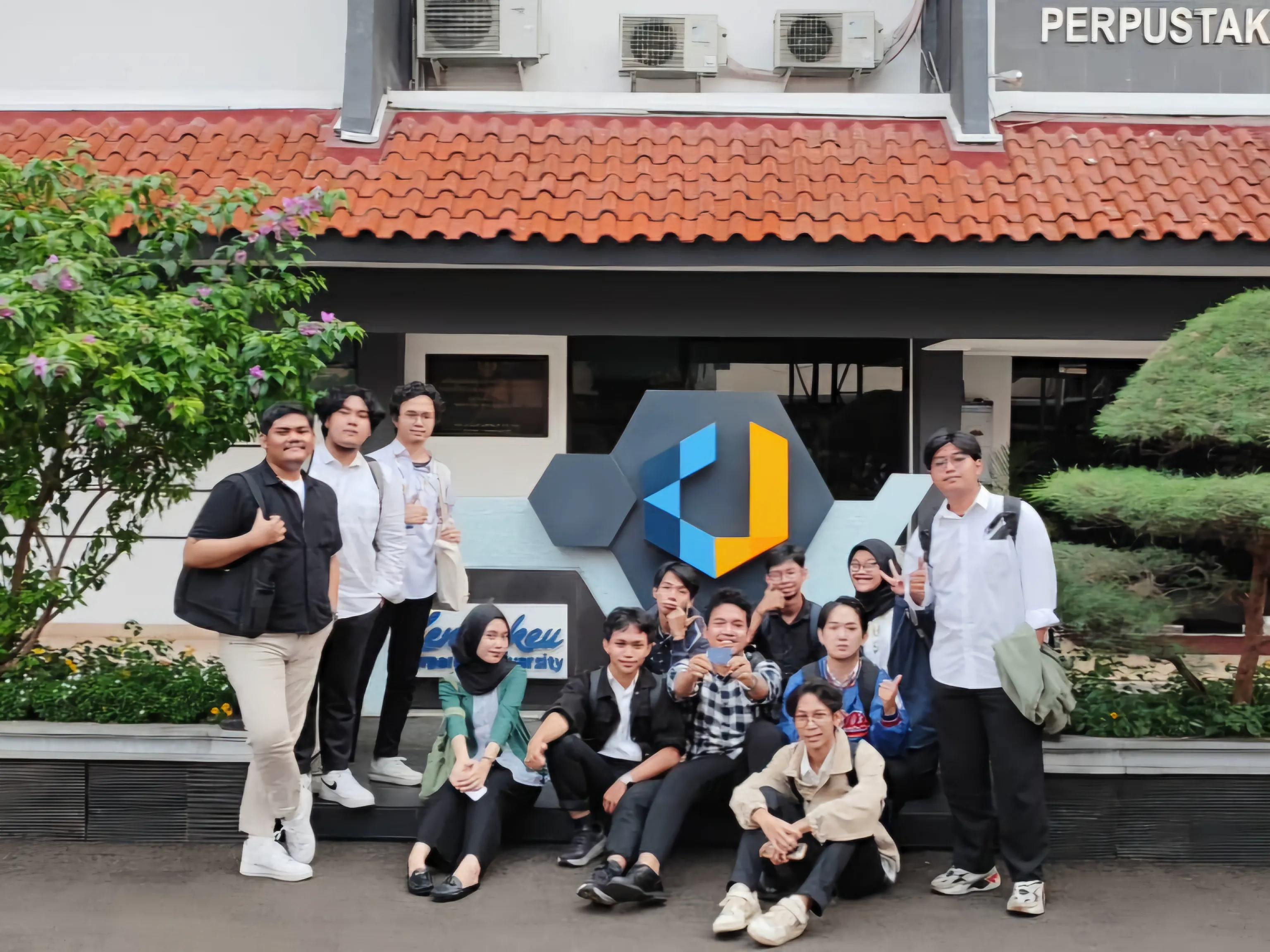
Methodology
Embracing Agile Scrum under pressure to tackle over dozens of required features with a lean team of three developers, we adopted a strict Agile Scrum methodology. This structure was crucial for maintaining velocity and managing scope creep.
-
We worked in strict 2-week sprints. This timeboxing forced us to break down enormous requirements into manageable, shippable tasks.
-
Each sprint ended with a review session where we presented completed work to project managers. This immediate feedback loop allowed us to pivot quickly when a feature didn't align with the business need, saving weeks of wasted effort.
-
In a small squad, there was no dedicated QA team. I learned to blend development with blackbox testing, ensuring that the complex workflows I built actually held up under real-world scenarios.
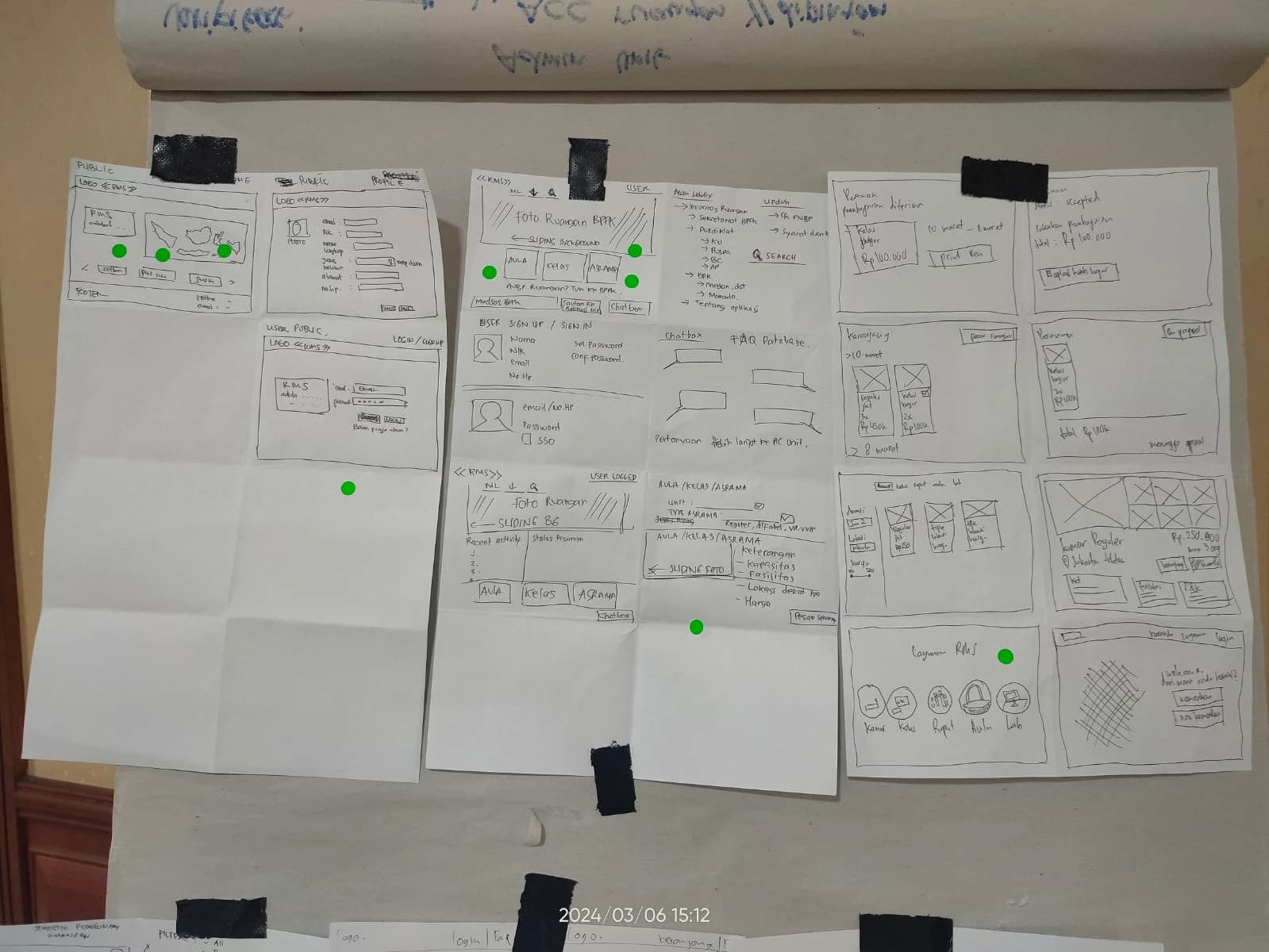
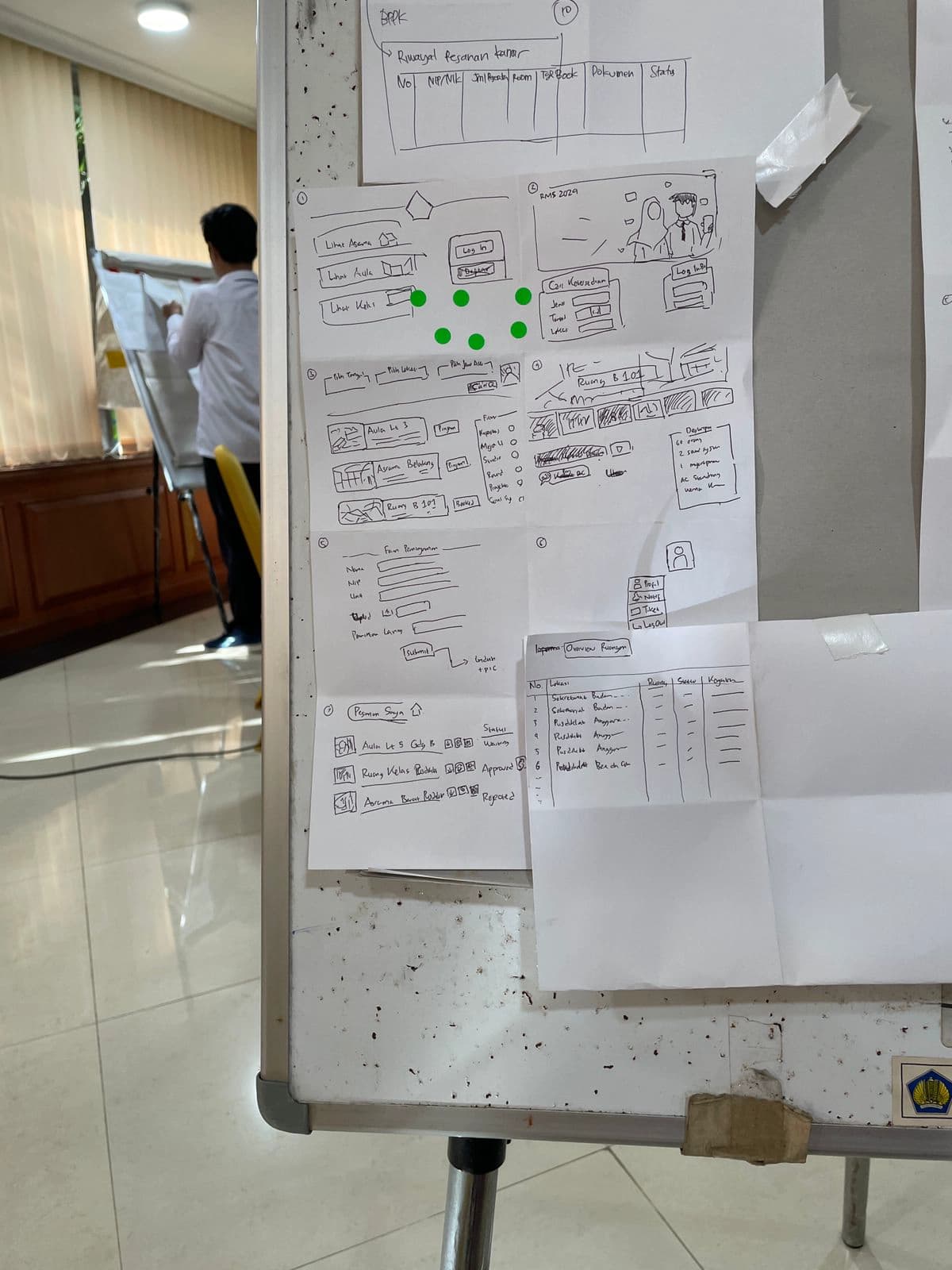
Stakeholder Collaboration & The Design Sprint One of the most valuable experiences was moving beyond code to understand the human element of the system. We didn't just receive a requirements document, we actively shaped it.
We conducted an intensive Design Sprint involving 20 - 30 Ministry employees from various units as the actual future users of the system. Facilitating these face-to-face sessions was eye-opening. I moved from abstract assumptions to concrete user validation, witnessing first-hand the friction points in their existing daily operations. This direct interaction translated into a product requirement, business process diagrams and high-fidelity mockups that truly reflected user needs rather than assumptions.
Key Takeaways
This experience was a crash course in enterprise software delivery. It taught me that successful development isn't just about writing clean functions, it's about clear communication, disciplined planning, and empathy for the end-users.
I developed strong confidence in seeing a massive project from vague initial interviews to a deployable preview, in working alongside people whose needs were very different from each other, and in delivering something a team could actually rely on.